Providing proper nutrition is one of the most important aspects of fish care. Whether you are raising tropical fish, marine species, bettas, cichlids, or breeding fry, food directly affects growth, health, coloration, and lifespan. Among the many feeding options available, live food is often considered one of the most beneficial choices. This is why many aquarium hobbyists search for the best live fish food to improve the health and vitality of their aquatic pets.
Live fish food offers more than simple nutrition. It stimulates natural hunting behavior, encourages activity, and often provides nutrients in a fresher form compared to processed alternatives. Many fish respond more enthusiastically to live food because movement triggers their instinct to chase prey. This creates a more natural and enriching feeding experience.
Choosing the best live fish food depends on the species being kept, tank size, feeding goals, and budget. Understanding the available options helps fish keepers make informed decisions.
What Is Live Fish Food
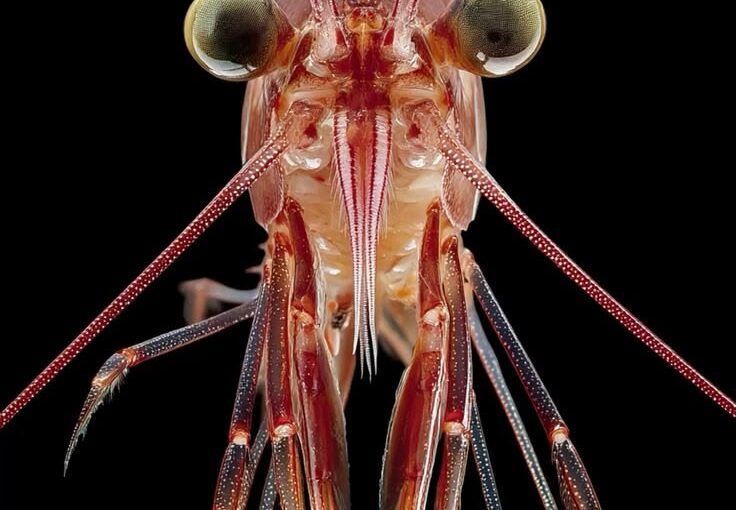
Live fish food refers to living organisms fed directly to aquarium fish. These organisms can include tiny crustaceans, worms, insect larvae, and other small aquatic creatures.
Unlike flakes or pellets, live food moves naturally in water. This movement attracts fish and encourages active feeding behavior. Many species in the wild rely on live prey, so live food closely mimics their natural diet.
Live food is especially useful for predatory fish, picky eaters, and breeding fish. Fry and juvenile fish also benefit because many live foods are small and easy to digest.
Because live food provides both nutrition and stimulation, it remains a popular feeding option for aquarium enthusiasts.
Why Live Food Is Beneficial
There are several reasons why live food is highly valued in fish care.
The biggest advantage is freshness. Live organisms retain their natural nutrients without the processing involved in manufactured fish food. This often means higher nutritional value.
Live food also promotes natural behavior. Fish become more active when hunting moving prey, which improves physical activity and mental stimulation.
Another benefit is improved breeding success. Many breeders use live food to condition fish before spawning because protein-rich diets help support reproduction.
Live food can also help picky eaters that refuse flakes or pellets. Fish that reject prepared foods often accept live prey immediately.
Nutritional Value of Live Fish Food
The best live fish food provides essential nutrients needed for healthy growth and development.
Protein is one of the most important nutrients because it supports muscle growth, tissue repair, and energy production. Growing fish especially need protein-rich diets.
Healthy fats are also important because they support brain function, energy storage, and reproductive health.
Live foods often contain vitamins, minerals, and amino acids that improve immune function and overall health.
Some live foods even enhance coloration by providing natural pigments that help ornamental fish display brighter colors.
Balanced nutrition plays a major role in maintaining healthy aquatic life.
Brine Shrimp as a Top Choice
Brine shrimp are among the most popular live fish foods available. They are widely used by beginners and professionals alike.
These small aquatic crustaceans are rich in protein and easy to digest. They are especially beneficial for baby fish and breeding setups.
Freshly hatched brine shrimp are highly nutritious and ideal for fry because of their small size. Adult brine shrimp are also suitable for many medium-sized fish.
One major advantage of brine shrimp is accessibility. Eggs can be purchased and hatched at home, making them both affordable and convenient.
For many hobbyists, brine shrimp rank among the best live fish food options.
Daphnia for Digestive Health
Daphnia, often called water fleas, are another excellent live food choice. These tiny freshwater crustaceans are suitable for many aquarium fish.
Daphnia are especially valued because they support digestive health. Their fiber content can help reduce constipation in fish.
They are easy to digest and work well for small to medium-sized species. Their jerky swimming motion also stimulates feeding instincts.
Because of their nutritional benefits and ease of consumption, daphnia are widely used in both home aquariums and breeding projects.
Many aquarists consider them essential for maintaining a varied diet.
Bloodworms for Protein-Rich Feeding
Bloodworms are a favorite among many fish species. They are actually the larvae of certain midge flies and are rich in protein.
Fish such as bettas, angelfish, gouramis, and cichlids often love bloodworms because of their appealing movement and soft texture.
Bloodworms are excellent for conditioning fish before breeding because of their high energy content.
However, moderation is important. Overfeeding protein-rich foods can sometimes lead to digestive issues or obesity.
When fed properly, bloodworms remain one of the best live fish food choices for many species.
Tubifex Worms for Fast Growth
Tubifex worms are another highly nutritious live food option. They are especially useful for fish requiring rapid growth and high-protein diets.
Large carnivorous and omnivorous fish often respond enthusiastically to tubifex worms. Their wriggling movement triggers strong feeding behavior.
These worms contain valuable nutrients that support growth and recovery.
However, cleanliness is important when sourcing tubifex worms because poor-quality sources may carry contaminants.
Buying from reliable suppliers ensures safer feeding and better quality.
Blackworms for Premium Nutrition
Blackworms are widely regarded as premium live fish food. Many experienced aquarists use them for conditioning fish and encouraging growth.
They are rich in protein and highly attractive to fish. Even picky eaters usually accept blackworms readily.
Blackworms are especially useful for breeding fish because they help improve body condition and reproductive readiness.
Although they may cost more than other live foods, their nutritional value makes them a favorite among serious hobbyists.
Mosquito Larvae as Natural Food
Mosquito larvae are a natural food source for many fish species in the wild. Surface-feeding fish especially enjoy them.
These larvae are highly nutritious and stimulate natural hunting behavior. Fish such as guppies, mollies, and bettas often feed aggressively on them.
Mosquito larvae can sometimes be collected from clean water sources, making them a low-cost feeding option.
However, caution is important to avoid introducing contaminants or harmful chemicals into the aquarium.
When sourced safely, mosquito larvae are excellent live food.
Matching Food to Fish Species
Not every live food suits every fish species. Choosing the best live fish food requires understanding your fish’s dietary needs.
Small fish like tetras and guppies do well with tiny foods such as baby brine shrimp and daphnia.
Medium-sized fish may benefit from bloodworms, adult brine shrimp, and mosquito larvae.
Large carnivorous fish often prefer worms and larger prey items.
Matching food size and nutritional profile to the species improves feeding success and overall health.
Risks of Live Fish Food
Although live food offers many benefits, there are potential risks to consider.
Poor-quality live food may carry parasites, bacteria, or pollutants. This can introduce disease into an aquarium.
Overfeeding can also cause water quality issues. Uneaten live food may die and decay, increasing ammonia levels.
Some live foods are very rich and should be fed in moderation to avoid obesity or digestive stress.
Proper sourcing, storage, and feeding practices reduce these risks significantly.
How Often to Feed Live Food
Live food does not always need to replace regular fish food entirely. Many aquarists use it as a supplement.
Feeding live food two to four times per week is common for healthy adult fish. Breeding fish or growing fry may require more frequent feeding.
A balanced diet often includes pellets, flakes, frozen food, and live food.
Variety ensures fish receive complete nutrition while preventing boredom and dietary deficiencies.
The best feeding schedule depends on species, age, and health condition.
Choosing the Best Live Fish Food
Selecting the best live fish food depends on several factors. Consider your fish species, tank setup, budget, and feeding goals.
Beginners often start with brine shrimp or daphnia because they are easy to manage. Experienced keepers may explore blackworms or live worm cultures.
The best choice is one that provides high nutrition, suits your fish, and can be sourced safely.
A diverse feeding routine often produces the best results.
Conclusion
Finding the best live fish food can greatly improve fish health, growth, coloration, and behavior. Live foods offer natural nutrition and stimulate instincts that processed foods cannot fully replicate.
Brine shrimp, daphnia, bloodworms, tubifex worms, blackworms, and mosquito larvae each offer unique benefits for different fish species. Choosing the right option depends on the dietary needs of your aquarium inhabitants.
When used responsibly and sourced safely, live fish food becomes one of the most effective tools for successful fish keeping. A nutritious and varied diet helps fish thrive, making live food an excellent addition to any aquarium feeding routine.